Focused arrival windows
Useful updates and clear arrival timing.
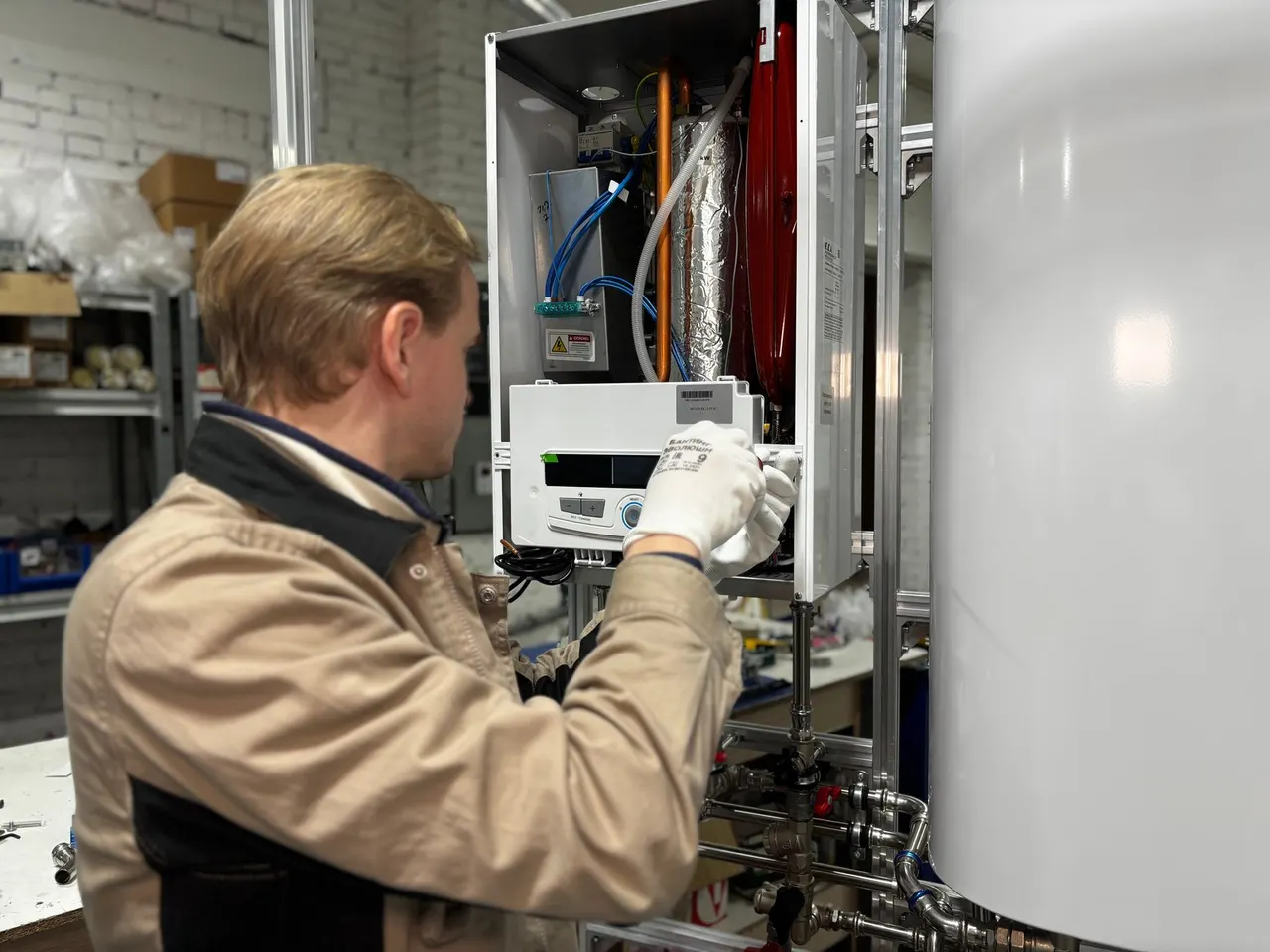
Tankless water heater maintenance Prescott AZ is the annual service that keeps your Rinnai, Navien, or Rheem running at full output. We descale, flush, and test every component so you get endless hot water without mid-shower temperature swings. If you have hard water or have skipped a year, book a tankless water heater descaling Prescott visit before scale hardens inside the heat exchanger.
Useful updates and clear arrival timing.
Review the approach and price before deciding.
Equipped vehicles and respectful cleanup.
Neighbors serving neighbors with follow-through.
Our standard tankless water heater service Prescott AZ visit covers the full descaling procedure plus a top-to-bottom inspection. Parts that fail are quoted separately, and you approve them before we install anything. Here's what you get on every call.
We circulate food-grade descaling solution through the heat exchanger for 30 to 45 minutes using a descaler pump kit. The pump reverses flow to break scale on both sides of the coils. This is the core of the service and the step that restores lost flow and efficiency.
The cold-water inlet filter catches sediment before it reaches the heat exchanger. We pull it, scrub it with a tube brush, and rinse it clean. A clogged filter is one of the most common causes of low water pressure and short cycling in Prescott units.
A multimeter checks igniter and thermistor resistance against factory specs. We test the flow sensor with a water flow meter and verify gas pressure at the valve. Any part reading out of range gets flagged with a quote before we replace it.
We inspect the vent kit for blockages, corrosion, or improper slope, and run a gas leak detector over every connection. Proper venting matters more in Prescott's altitude and temperature swings, and a blocked vent can trip the unit offline without warning.
You get a written sheet with inlet and outlet temperatures, flow rate in gallons per minute, and gas pressure readings. We note the condition of the heat exchanger and any parts approaching end of life. That record helps you plan for replacements instead of reacting to failures.
Share what is happening and receive a clear next step from the local team.
Tankless water heater maintenance Prescott AZ is a scheduled service that removes mineral scale from the heat exchanger, flushes the system with descaling solution, and verifies every safety and performance component. We connect a descaler pump kit to the service valves, circulate a mild acid solution for 30 to 45 minutes, then flush with fresh water. After that, we test the igniter, thermistor, flow sensor, and gas valve with a multimeter and thermal camera. Most jobs take 90 minutes to two hours.
Prescott's water runs hard, and that's the main reason tankless units here scale faster than in softer-water cities. Yavapai County sits on limestone-heavy aquifers, so calcium and magnesium build up inside the heat exchanger every month you run hot water. Skipping a tankless water heater tune up Prescott lets that scale bake into a solid layer, which cuts flow and triggers error codes. If you've noticed low water pressure at the tap or a rotten egg smell, schedule service before the unit shuts down.
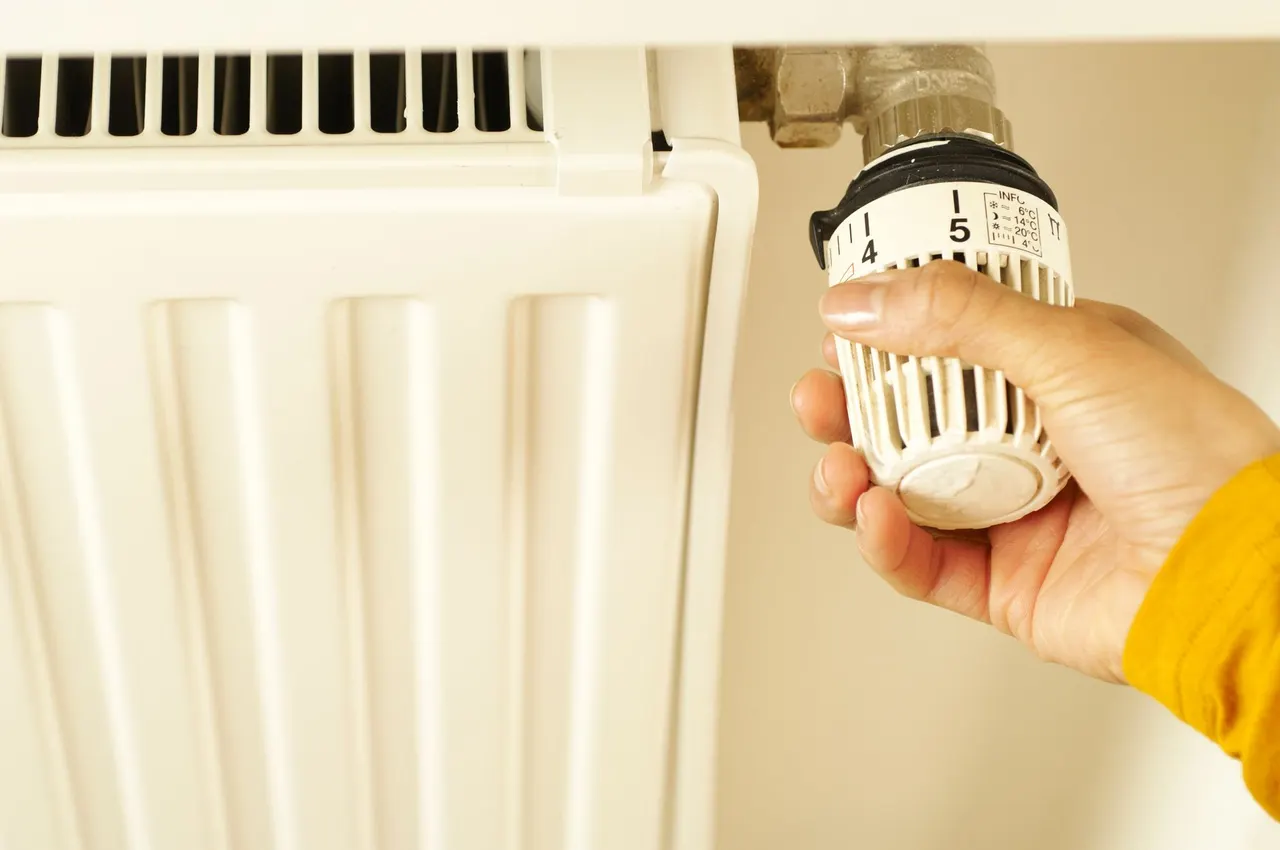
We start by running hot water at two fixtures and logging the temperature rise with a thermal camera. A pressure gauge goes on the gas line, and we pull any stored error codes from the control board. This takes about 15 minutes and tells us whether the unit needs a standard flush or a deeper service.
We close the service valves, depressurize the lines, and connect the descaler pump kit with two hoses. A bucket catches the first discharge. If your unit has never been serviced, we may pull the inlet filter and clean it with a tube brush before circulating anything through the heat exchanger.
Food-grade descaling solution circulates through the heat exchanger for 30 to 45 minutes. The pump reverses direction every few minutes to break up scale on both sides of the coils. You'll see the discharge water turn cloudy, then clear. That color change is the scale coming out.
We flush with fresh water until the runoff tests neutral, then reconnect the gas and water lines. New gaskets go on the service valves. The unit gets powered back up, and we run hot water until the outlet temperature stabilizes within 2 degrees of the set point.
A multimeter checks the igniter and thermistor resistance, and a gas leak detector confirms every connection is sealed. We log inlet and outlet temperatures, flow rate, and gas pressure on a service sheet, then walk you through what we found. If a part is close to failing, you'll know before it strands you.

Circulates descaling solution through the heat exchanger at a controlled rate. Reversible flow lets us break scale on both sides of the coils without disassembling the unit.
Shows hot and cold spots on the heat exchanger and outlet lines. Uneven heating patterns reveal scale buildup or a failing burner before it throws a code.
Tests igniter, thermistor, and flow sensor resistance against factory specs. A reading out of range tells us the part is failing, not just dirty.
Measures gallons per minute through the unit before and after descaling. The difference quantifies exactly how much scale we removed.
Sniffs every gas connection after reassembly. Tankless service requires breaking gas lines on some units, and this confirms the system is sealed before we leave.
Cleans the inlet filter and service valve screens. Sediment trapped here restricts flow and mimics a failing flow sensor.
We follow the published descaling steps for Rinnai, Navien, Noritz, Rheem, Bosch, Takagi, A.O. Smith, and Bradford White units. Each brand specifies solution strength, circulation time, and flush volume, and we match those specs rather than using a generic routine.
Before and after every flush, we measure flow with a water flow meter. A unit rated at 8 gallons per minute that only passes 5 is scaled. Restoring flow to within 10 percent of rated capacity is our pass mark.
We check inlet and manifold gas pressure with a pressure gauge against the manufacturer's spec. Low pressure causes weak flames and error codes, and it's a common issue on older Prescott gas lines that have never been adjusted.
Every tankless board stores fault history. We read the codes, map them to the manufacturer's diagnostic table, and test the component each code points to. That turns a vague symptom into a specific repair instead of parts-swapping.
We run a full descale and flush, clean the inlet filter, and test every sensor. The visit takes about 90 minutes, and we log the flow rate so you have a baseline for next year. Hot water returns to full pressure and the unit runs at its rated efficiency instead of straining against scale.
We perform a complete maintenance service, document the condition of the heat exchanger, and provide a written report the buyer or seller can use. If a part is failing, we quote it before closing. The sale moves forward with a verified service history, and the new owner starts with a clean, documented system.
We diagnose the unit, descale the exchanger, and replace any failed sensor the same day. We also set a recurring annual schedule so the next turnover doesn't bring the same call. The unit is back online before the next tenant moves in, and you have a maintenance record for the property file.
We test gas pressure, measure flow rate, and descale the heat exchanger. A thermal camera check shows whether the burner is heating evenly or losing output to scale. Recovered efficiency shows up on the next gas bill, and the unit heats as fast as it did when it was new.
Prescott's water is the biggest factor in how often your tankless unit needs service. The city draws from granite and limestone aquifers, and hardness levels run 10 to 15 grains per gallon, which is hard enough to scale a heat exchanger in a single year. Homes on private wells in Williamson Valley and Yavapai Hill often see even higher mineral content. That's why we recommend annual descaling for nearly every tankless unit in Yavapai County, and why a tankless water heater descaling in Prescott Lakes is often the difference between a 20-year unit and one that fails at 10. Winter adds its own pressure. Overnight lows in the teens and twenties mean the unit works harder to raise incoming water temperature, and that extra runtime accelerates scale formation. If you're searching for tankless water heater service Hassayampa AZ or anywhere in the 86301, 86303, or 86305 ZIP codes, we can usually get to you the same day. Fall is the right time to book, before the first hard freeze pushes every heater in town to its limit.
Older homes here often have tankless units retrofitted onto original gas lines. We check gas pressure carefully because undersized lines cause weak flames and error codes.
Larger homes with high-demand tankless systems and recirculation loops. Recirc pumps move more water through the exchanger, so scale builds faster and annual service matters more.
Many properties run on private wells with higher mineral content. We test hardness at the inlet and adjust the descaling schedule to match what the water actually carries.
A mix of full-time homes and rentals. We set recurring maintenance schedules for property managers so units don't get skipped between tenants.
Elevation and freeze exposure put more demand on venting and freeze protection. We inspect the vent kit and confirm the unit's freeze guard is working on every visit.
Scale builds inside the heat exchanger within 12 months, cutting flow and efficiency. Annual descaling is the minimum; heavy-use homes benefit from service every 8 to 10 months.
Colder incoming water forces the burner to run longer, which accelerates scale formation and stresses the igniter. Fall maintenance prevents mid-winter lockouts.
Undersized or corroded gas lines deliver low pressure to the unit, causing weak flames and intermittent shutdowns. We test pressure and flag line issues before they strand you.
Well water can carry more calcium and sediment than city water, clogging inlet filters faster. We clean the filter and check flow rate on every visit for well-fed homes.
A Prescott Lakes homeowner's Navien unit was passing only 4.5 gallons per minute and throwing E003 codes weekly. The heat exchanger had two years of scale buildup, and the inlet filter was nearly clogged with sediment.
After a 45-minute descale and filter cleaning, flow measured 7.8 gallons per minute, within 5 percent of the unit's rated capacity. The error codes stopped, and the homeowner reported steady hot water through two winters.
Maintenance: We set the unit on an annual descaling schedule and recommended checking the inlet filter every six months. The homeowner now books service each fall before the first freeze.
A Downtown Prescott rental was locking out with Rinnai code 12 every few days. The tenant had gone three days without reliable hot water, and the property manager was fielding complaints.
We descaled the heat exchanger, replaced a failing flow sensor, and verified gas pressure at the valve. The unit ran through a full draw test without a single lockout, and the tenant had hot water the same afternoon.
Maintenance: The property manager added the unit to a recurring annual service list. We also cleaned the inlet filter, which had never been touched since installation.
A Williamson Valley home on a private well had gas bills climbing for two winters. The tankless unit took twice as long to deliver hot water, and the burner ran constantly during morning showers.
Hardness testing showed 18 grains per gallon at the inlet. After descaling and a fresh inlet filter, outlet temperature stabilized within 2 degrees of set point, and the burner cycled normally instead of running flat out.
Maintenance: We moved this home to a service every 8 months instead of 12 and recommended a whole-home water softener to reduce scale load on the heat exchanger.
Most tankless failures start small and get expensive. These are the calls we run most often in Yavapai County, and what it takes to fix each one.
You can't shower, do dishes, or run laundry reliably. The unit may be locking out on an error code, and every cold start adds wear to the igniter. We pull the stored error code, test the igniter and thermistor, and check for scale blockage in the heat exchanger. Most no-hot-water calls trace back to a restricted flow sensor or a scaled exchanger, both of which we fix on the same visit.
The unit shuts down mid-use and won't restart until it's reset. Repeated lockouts point to a component that's failing, not a glitch. We read the code against the manufacturer's diagnostic table, then test the specific component it points to. Rinnai code 12 and Navien E003 both mean restricted flow, which a full descale usually clears. If a sensor is bad, we replace it on the spot.
Hot water trickles while cold water runs fine. That imbalance usually means scale or sediment is choking the heat exchanger or the inlet filter. We clean the inlet filter, descale the exchanger, and measure flow rate before and after. If the restriction is downstream in your plumbing, we identify that too, so you're not paying for a tankless repair that won't solve the problem.
The odor comes from bacteria reacting with the anode or standing water in the system. It makes the water unusable for cooking or drinking. We flush and sanitize the tankless system, check the inlet filter, and inspect the heat exchanger for buildup that traps bacteria. In most Prescott cases, a full descale and chlorination resolves the smell, and we confirm it at the tap before we leave.
Our technicians hold NATE certification and manufacturer training on Rinnai, Navien, Noritz, Rheem, Bosch, Takagi, A.O. Smith, and Bradford White units. We've serviced tankless systems across Yavapai County since 2025, from single-family homes in Prescott Lakes to rental properties in Downtown Prescott. Every job follows the manufacturer's descaling procedure and local plumbing license requirements, and we carry gas safety certification for the valve and vent work that tankless service sometimes requires.
Once every 12 months for most Prescott homes, and every 8 to 10 months if you have very hard water or a large household. Yavapai County water averages 10 to 15 grains per gallon of hardness, which is well above the threshold where manufacturers recommend annual service. If you skip two years, the scale hardens and descaling takes longer or stops working.
A standard descale and flush runs $180 to $280 in 2026 for most residential units. Larger commercial units or systems with poor access can reach $350. If we find a failed igniter, thermistor, or flow sensor during the visit, expect $120 to $300 more for the part and install. You approve every add-on before we proceed.
Every flush includes descaling solution circulation through the heat exchanger, a fresh-water rinse, inlet filter cleaning, gas pressure check, igniter and thermistor testing, and a flow-rate verification. We also inspect the vent kit and check for leaks at the service valves. You get a written report with the inlet and outlet temperatures we measured.
You can, if you buy a descaler pump kit, the right hoses, and food-grade descaling solution, and if your unit has factory service valves. The risk is twofold: spilling acid solution on the electronics, and missing a failing thermistor or gas valve while you're in there. Most homeowners find the $180 to $280 we charge is cheaper than the tools and the risk.
Not seeing your question? Our local team can help you understand urgency, scheduling and what to expect.
Ask the local team
If your unit is 18 to 20 years old and the heat exchanger is failing, maintenance won't save it. We install new Rinnai, Navien, and Rheem systems sized for your home's demand, with proper venting and gas line upgrades. Every install includes a walkthrough of the maintenance schedule.
View service
When repair costs pass half the price of a new unit, replacement makes more sense. We swap the old unit, reuse existing service valves where possible, and haul the old heater away. Most replacements finish in four to six hours, and we test every fixture before we leave.
View service
Call us at +13214978646 or book online and we'll confirm your window within the hour. We answer after-hours calls for emergencies and run standard appointments Monday through Friday, 8am to 6pm. If you're in Prescott or anywhere in Yavapai County, we can usually get a tech to you the same day.