Why does my tankless water heater smell like rotten eggs
That rotten egg smell from your tankless water heater is almost always a sulfur bacteria problem in the water or a failing anode rod. Here's how Prescott homeowners fix it fast.
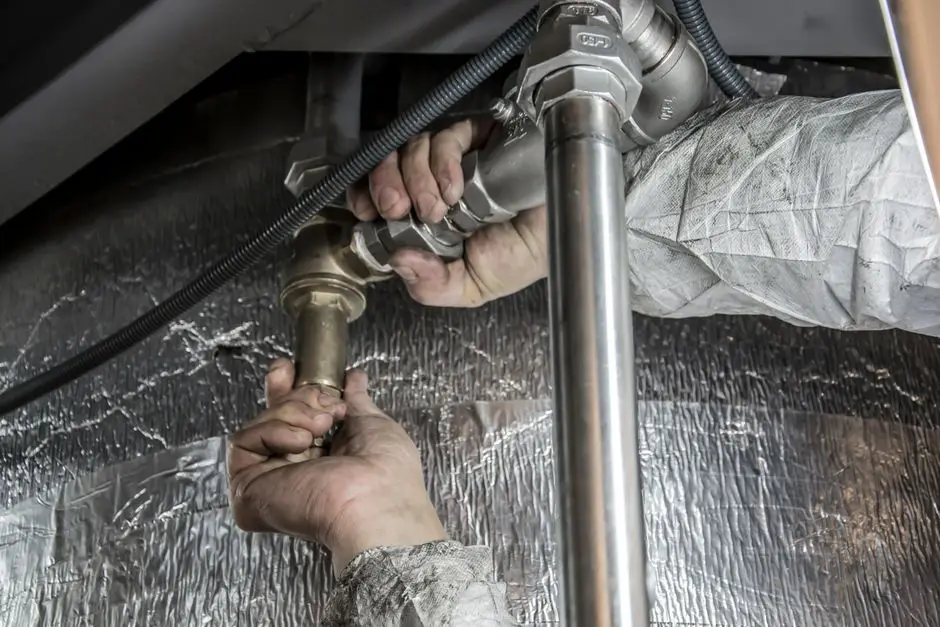
A rotten egg smell from a tankless water heater is almost always hydrogen sulfide gas produced by sulfur-reducing bacteria in your water supply or by a failing anode rod inside the unit. In Prescott, where many homes run on well water with naturally higher sulfur content, that smell is a common call we get from homeowners across the area.
The good news: it's rarely a sign your heater is about to fail. The bad news: it won't go away on its own, and it can make your hot water unusable for cooking, showering, or laundry. This guide walks you through the real causes, how to diagnose the problem in ten minutes, and the steps that actually fix it - plus when it's time to bring in a professional for tankless water heater repair prescott Prescott AZ.
The short answer: sulfur bacteria and anode rods
Tankless water heater smells like rotten eggs Prescott AZ is a water quality issue that shows up when sulfur-reducing bacteria convert naturally occurring sulfates in your water into hydrogen sulfide gas. That gas has a distinct rotten egg odor and becomes more noticeable when the water is heated.
In tank-style heaters, the anode rod is often the culprit. In tankless units, there's no anode rod in the traditional sense, but some models have a small magnesium or aluminum component that can react with sulfur in the water. The reaction produces that same rotten egg smell.
If your cold water smells fine but the hot water reeks, the problem is almost certainly in the heater or the hot water line. If both hot and cold water smell, the issue is in your well or municipal supply - and the heater is just making it worse.
Why does my tankless water heater smell like rotten eggs in Prescott AZ?
Prescott sits in an area where groundwater often contains higher levels of sulfate and sulfur. That's the raw material sulfur bacteria need to produce hydrogen sulfide. When that water enters your tankless heater, the heat accelerates the bacterial activity and the smell becomes obvious.
There are four common reasons this happens in Prescott homes:
- Well water with high sulfur content. Many homes in Williamson Valley and surrounding rural areas draw from wells that naturally contain sulfur. The heater doesn't cause the sulfur, but it concentrates the smell.
- Bacteria in the water heater or plumbing. Sulfur-reducing bacteria can colonize the inside of your tankless unit, especially if the heater sits unused for weeks at a time - common in seasonal Prescott homes.
- Magnesium anode or reaction components. Some tankless models use a magnesium component that reacts with sulfate in the water. Swapping to an aluminum or powered anode often solves it.
- Stagnant water in the lines. If you've been away for the summer, the first hot water you draw can smell terrible. Flushing the system usually clears it.
We see this most often in homes near tankless water heater repair prescott in Williamson Valley, where well water is the norm and sulfur levels can spike after heavy monsoon rains.
Prescott water chemistry and the sulfur problem
Prescott's water comes from a mix of municipal sources and private wells. The city water is treated and generally low in sulfur, but many outlying neighborhoods - especially those on private wells - deal with sulfate levels that can exceed 250 mg/L. That's the threshold where sulfur bacteria start producing noticeable odors.
If you're on a well, a simple water test will tell you your sulfate and sulfur levels. We recommend testing at least once a year, ideally in late summer when aquifer levels are lowest and mineral concentrations are highest.
For homeowners in Downtown Prescott and other older neighborhoods, the issue is often the plumbing itself. Galvanized pipes can harbor bacteria that produce sulfur gas when hot water runs through them. If your home was built before 1970, that's worth checking.
We've also seen cases where a failing water softener introduces bacteria into the hot water line. If your softener hasn't been serviced in over a year, it can become a breeding ground for sulfur-reducing bacteria.
How to diagnose the smell yourself
You can narrow down the source in about ten minutes with a few simple steps. Grab a clean glass and run through this checklist:
- Smell the cold water. Fill a glass from the cold tap. If it smells like rotten eggs, the problem is in your water supply, not the heater.
- Smell the hot water. Fill a glass from the hot tap. If only the hot water smells, the issue is in the heater or hot water line.
- Check the drain. Sometimes the smell comes from a dry P-trap or a drain that hasn't been used. Run water in all fixtures for 30 seconds and re-check.
- Flush the heater. Run hot water for 10 minutes straight. If the smell fades, it's likely stagnant water or a minor bacterial buildup.
- Inspect the anode. If your tankless unit has a magnesium anode, pull it and check for heavy corrosion or a sulfur-like coating.
If the smell persists after flushing, or if you notice it in both hot and cold water, it's time for a professional diagnosis. Our team handles tankless water heater service Prescott AZ and can test your water, inspect the unit, and pinpoint the source on the first visit.
How do I get rid of the rotten egg smell from my tankless water heater in Prescott?
The fix depends on the source. If the smell is in your water supply, you'll need a whole-house filtration or aeration system. If it's in the heater, a thorough flush and sanitization usually does the trick.
Here's the step-by-step process we use:
- Flush the tankless unit. We run a descaling solution through the heat exchanger to remove mineral buildup and bacteria. This takes about 45 minutes and costs $150-$250 in 2026 pricing.
- Sanitize the lines. We introduce a food-grade hydrogen peroxide solution into the hot water line and let it sit for 2-3 hours. This kills sulfur-reducing bacteria without harsh chemicals.
- Replace the anode. If your unit has a magnesium anode, we swap it for an aluminum-zinc or powered anode. That alone solves the problem in about 70% of cases.
- Install a sulfur filter. For well water with high sulfur, we recommend a whole-house aeration or catalytic carbon filter. These run $800-$1,800 installed and eliminate the sulfur before it ever reaches the heater.
- Set the temperature. Keeping your tankless heater at 120°F-130°F reduces bacterial growth. Higher temperatures can actually make the smell worse.
If you're in Hassayampa and dealing with well water, we often pair a heater flush with a point-of-entry filter to keep the smell from coming back. Our tankless water heater repair prescott in Hassayampa service includes a free water test so we know exactly what we're dealing with.
Common mistakes to avoid
Homeowners often make the problem worse by trying quick fixes that don't address the root cause. Here's what not to do:
- Don't crank up the temperature. Running your heater at 140°F or higher can accelerate bacterial activity and make the smell stronger.
- Don't use bleach. Pouring bleach into your tankless unit can damage the heat exchanger and void your warranty. Use only approved sanitizers.
- Don't ignore the cold water. If your cold water smells too, the problem is in your well or supply line. Flushing the heater won't fix it.
- Don't replace the heater prematurely. A rotten egg smell is rarely a reason to replace a tankless unit. Most fixes cost under $300.
- Don't skip the water test. Guessing at the cause wastes time and money. A $30 water test tells you exactly what you're dealing with.
We've seen homeowners spend $2,000 on a new heater only to find the smell came back a month later because the well water was never treated. Fix the water first, then the heater.
When to call a professional
If you've flushed the unit, sanitized the lines, and the smell still returns within a week, it's time to call a pro. Persistent sulfur odor usually means the bacteria have colonized the heat exchanger or your water supply needs treatment.
Other signs it's time to call us:
- You see corrosion or scale buildup on the heat exchanger.
- The unit is making popping or banging noises along with the smell.
- Your hot water pressure has dropped noticeably.
- You've replaced the anode and the smell came back in under 30 days.
- You're on a well and haven't tested the water in over a year.
Our team handles tankless water heater repair prescott across the Prescott area, including Downtown Prescott, Prescott Lakes, and Yavapai Hill. We diagnose the source, fix it, and test the water before we leave. If you're in Prescott Lakes and noticing sulfur odor, we offer tankless water heater repair prescott in Prescott Lakes with same-week scheduling.
Frequently Asked Questions
Why does my tankless water heater smell like rotten eggs in Prescott AZ?
It's almost always hydrogen sulfide gas from sulfur-reducing bacteria in your water or a magnesium anode reacting with sulfates. Prescott's well water often has higher sulfur levels, which makes the problem more common here than in many other areas.
How do I get rid of the rotten egg smell from my tankless water heater in Prescott?
Flush the unit with a descaling solution, sanitize the hot water lines with food-grade hydrogen peroxide, and replace any magnesium anode with an aluminum-zinc or powered anode. If you're on well water, install a whole-house sulfur filter. Most fixes take 2-4 hours and cost $150-$400.
Is a rotten egg smell from a tankless water heater dangerous in Prescott AZ?
The smell itself isn't toxic at low levels, but hydrogen sulfide can be harmful in high concentrations. If the smell is strong or you feel dizzy or nauseous, ventilate the area and call a professional immediately. It's also a sign of bacterial growth that should be addressed.
Should I call a pro for tankless water heater odor in Prescott?
Yes, if the smell persists after flushing, returns within a week, or appears in both hot and cold water. A pro can test your water, inspect the heat exchanger, and recommend the right filtration or repair. DIY fixes often miss the root cause.
How often should I flush my tankless water heater in Prescott?
We recommend flushing every 6-12 months, depending on your water hardness. If you're on well water with high mineral content, flush every 6 months. Homes on city water can usually go 12 months between flushes.
Get help with tankless water heater repair prescott in Prescott
If the rotten egg smell won't go away, our team can diagnose and fix it fast. We serve homeowners across Prescott, including Downtown, Hassayampa, Yavapai Hill, Williamson Valley, and Prescott Lakes.
Call us at +13214978646 to schedule a service visit. We'll test your water, flush the unit, and get your hot water smelling clean again - usually in a single visit.